

Skip to content
  • Investments

    Small & Medium-sized Enterprises

    Strategic growth support for SMEs.

    Startup Companies

    Empowering startups with capital growth.

    Venture Capitalist Investors

    High-impact investment opportunities with DIFO.

  • Industries

    Technology

    Empowering innovation with data-driven investments in AI and targeted advertising.

    Real-Estate

    Strategic investments in high-growth residential and commercial developments for long-term value and returns.

    Cryptocurrency

    Capitalizing on blockchain technology and digital currencies for dynamic, future-forward investment opportunities.

  • About us
  • Blogs
Get Started Now

How the 2024 U.S. Election Could Redefine the Corporate Landscape

  • On October 21, 2024
A white box labeled “Voting” with a futuristic city skyline emerging from it, symbolizing how elections shape urban development, governance, and national progress.
The 2024 U.S. presidential election is poised to significantly influence the corporate environment, with potential ramifications for businesses both in the U.S. and globally. With the leading candidates, Donald Trump and Kamala Harris, business leaders need to prepare for shifts in tax policies, regulations, global trade, and industry-specific policies. The outcome will shape the way businesses operate across industries like technology, finance, energy, and more.
This article provides an objective analysis of how the potential election results could impact key business sectors.
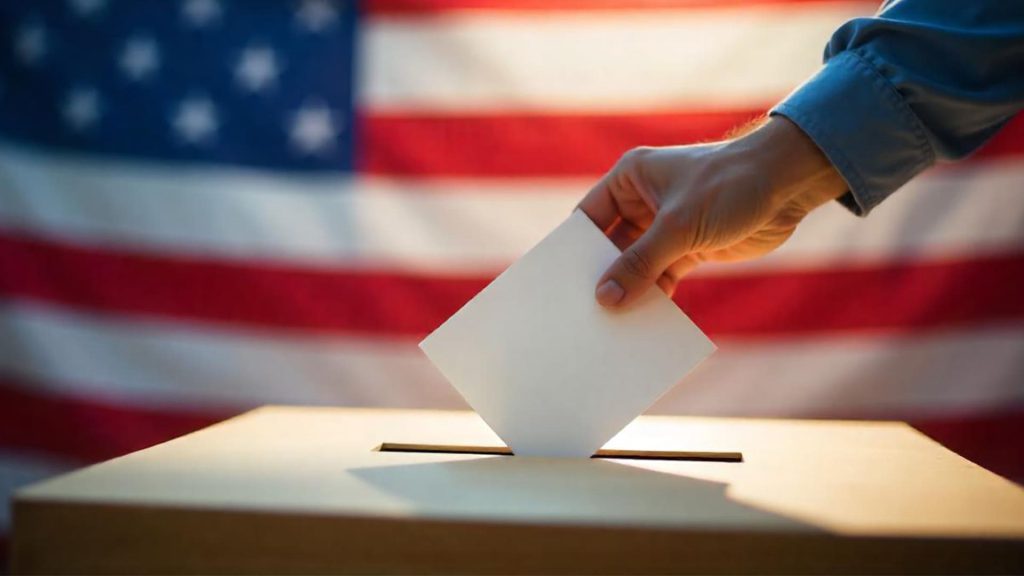
A person casting a ballot into a voting box with the American flag in the background, symbolizing democracy, civic participation, and the U.S. election process.

1. Tax Policies and Corporate Earnings

  • Trump: Businesses could benefit from extensions or expansions of the Tax Cuts and Jobs Act, which significantly reduced corporate tax rates during his first term. A lower tax burden may lead to increased reinvestment in business growth, expansion, and R&D.
 
  • Harris: Likely to favor raising taxes on large corporations and the wealthiest enterprises to address budget deficits. Her administration may push to close tax loopholes, leading to higher compliance costs for corporations, potentially impacting their profit margins.
 

          (Reference: Pew Research Center)

2. Regulation and Compliance Costs

  • Trump: The approach has typically favored deregulation, particularly in industries like energy, technology, and finance. A second term may see further cuts in regulatory requirements, reducing compliance costs and easing the entry barriers for new market players.
 
  • Harris: A Harris administration may impose stricter regulations, particularly on consumer protection, environmental practices, and labor standards. While this could raise operating costs for businesses, it could also encourage sustainable and responsible business practices.
 

         (Reference: Wall Street Journal)

A rising green financial graph with coins, solar panels, and wind turbines in a modern cityscape, symbolizing economic growth driven by renewable energy and sustainable investments.

3. Finance and Consumer Protection

  • Trump: Under Trump, financial institutions could benefit from the relaxation of consumer protection laws, reducing compliance obligations for banks and lenders. This could lead to greater profitability for financial firms but may also reduce protections for consumers.
 
  • Harris: Harris is expected to favor stricter consumer protection regulations, focusing on transparency and fairness in the financial markets. This could raise costs for financial institutions but improve consumer trust and market stability.

4. Global Trade and Tariffs

  • Trump: Trump’s policies may favor tariffs and protectionist trade agreements, potentially raising costs for businesses with global supply chains. However, these policies may give domestic industries a competitive edge by discouraging foreign competition.
 
  • Harris: Harris is likely to adopt a more collaborative and multilateral approach to global trade, potentially reducing trade barriers and promoting a stable international business environment. Companies involved in cross-border commerce may benefit from lower tariffs and predictable trade relationships.

5. Economic Growth and Business Confidence

  • Trump: A focus on tax cuts and deregulation could stimulate short-term economic growth, leading to higher business confidence and expansion, particularly for larger corporations.
 
  • Harris: Harris is likely to prioritize infrastructure, clean energy, and education investment to drive long-term, inclusive growth. While businesses may face higher taxes, these policies could foster economic stability and reduce inequality.

A smartphone screen displaying a digital illustration of the U.S. flag, economic icons, and balance scales, with blurred political figures in the background — symbolizing how technology and elections influence the U.S. economy and governance.

Preparing for Change: Strategic Business Planning

The 2024 U.S. election will have global implications for businesses across sectors. Businesses should focus on risk management and scenario planning to ensure they are prepared to navigate the complexities of either potential administration.
The 2024 U.S. presidential election could introduce significant changes to the business landscape. Companies need to stay informed and proactive, preparing for shifts in tax policy, regulation, and global trade dynamics. By remaining agile and anticipating changes, businesses can capitalize on new opportunities and mitigate risks, regardless of the election outcome.

Share this post

Featured Topic

Related Blogs

The latest news from DIFO

See more articles

Emaar Hills: Dubai’s luxury masterplan with 40,000 residences

Dubai’s property landscape is soaring to new heights with the announcement of Emaar Hills, a groundbreaking AED 100 billion masterplan by Emaar Properties.  Home to

Alphabet Hits $100B Quarterly Revenue as AI Drives Major Growth

In a historic achievement, Alphabet Inc., the parent company of Google, has crossed the remarkable milestone of $100 billion in quarterly revenue. This unprecedented accomplishment,

Saudi Arabia’s $40B Plan to Lead the Global AI Race

Saudi Arabia is making headlines with a historic $40 billion push into artificial intelligence (AI), aimed at positioning itself as a leading global player in

Unlock Residency in Qatar with a $200K Property Investment

Qatar has officially launched an exciting opportunity for global investors, a real-estate residency program starting at just US$200,000.  With quick processing, full property ownership in

Sign UP FOR OUR NEWSLETTER

Contact Information

Dubai, UAE | [email protected]

Invest

  • Small & Medium-Sized Enterprises
  • Startup Companies
  • Venture Capitalist Investors
  • Small & Medium-Sized Enterprises
  • Startup Companies
  • Venture Capitalist Investors

Our Industries

  • Technology
  • Real-Estate
  • Cryptocurrency – The Difo
  • Technology
  • Real-Estate
  • Cryptocurrency – The Difo

About US

PORTFOLIO

Contact us

  • Linkedin

Privacy

  • Privacy Policy
  • Privacy Policy
Copyright © DIFO 2024

Site by: MediaTiks

  • Investments
    • Small & Medium-Sized Enterprises
    • Startup Companies
    • Venture Capitalist Investors
  • Industries
    • Technology
    • Real-Estate
    • Cryptocurrency – The Difo
  • Blogs – The Difo