Riyadh is on the rise, and with it comes a greater need for efficient transport within the bustling city. In a bold move to accommodate its growing population and increasing transportation demands, Saudi Arabia has revealed a significant expansion of the Riyadh Metro.
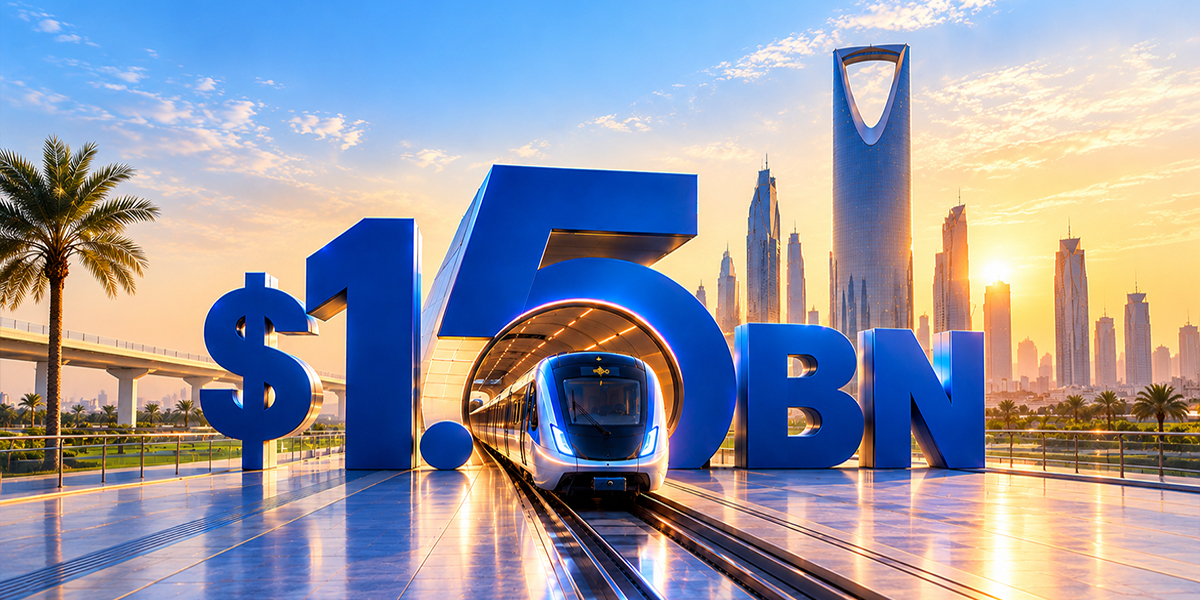
This $1.5 billion investment will see the addition of 94 new trains, upgrading the metro fleet from 183 to 277 trains, with the first of these promising arrivals expected by 2028.
Meeting the Growing Demand
Since its launch, the Riyadh Metro has quickly established itself as a vital component of the city’s public transport network, facilitating over 300 million passenger journeys.
Ridership has grown significantly, with a remarkable 25% increase in just the first nine months of 2026 compared to the same period in 2025.
It’s clear the city needs more metro capacity to keep pace with this growth and to provide commuters with reliable, frequent services.
Expanding Capacity Across the Board
With the planned expansion, certain metro lines will see substantial upgrades:
– Red Line: Expect a staggering 142% capacity increase.
– Yellow Line: Set for a 116% capacity bump.
– Blue Line: Anticipated to grow by 60%.
These enhancements are designed to meet both current demands and forecasts of future usage, ensuring that Riyadh’s transport system can adapt to a dynamic urban landscape.
Collaborating with Global Leaders
The new trains will be manufactured by two renowned European rail companies, Siemens and Alstom. This partnership not only underscores Saudi Arabia’s commitment to international collaboration in infrastructure development, but it also plays a crucial role in fortifying the Kingdom’s urban transport systems.
-The phased delivery of these trains is set to start in 2028, leading up to operational trials and eventual passenger service.
Beyond Transportation: Economic Opportunities
A robust metro system isn’t just about moving people; it influences economic growth across various sectors.
Improved transportation links will support:
– Business Growth: Enhanced access to commercial areas benefits both employees and visitors, fostering greater business activity.
– Residential Appeal: Convenient public transport makes nearby neighborhoods more attractive to new residents and developers alike.
– Retail and Hospitality: Increased metro traffic can lead to a surge in customers for local shops and restaurants.
– Urban Productivity: Reliable transport options enable more fluid navigation for residents and businesses throughout the city.
Preparing for Major Events
Riyadh’s metro expansion is also strategically timed before two major international events, Expo 2030 and the 2034 FIFA World Cup.
A larger metro fleet will help manage the increase in visitors while ensuring residents can travel efficiently across the city during these major events.
Investing for the Future
The true value of the Riyadh Metro expansion lies in its long-term vision. Beyond the excitement of hosting global events, the focus is on creating a sustainable transport infrastructure that meets the ongoing needs of the city’s residents, connecting them to jobs, education, and essential services for many years to come.
This expansion is part of a broader trend in Saudi Arabia, shifting from the initial construction of infrastructure to a focus on enhancing and optimizing the systems that have been put in place. With these developments, Riyadh is solidifying its position as a modern metropolis ready for the future.